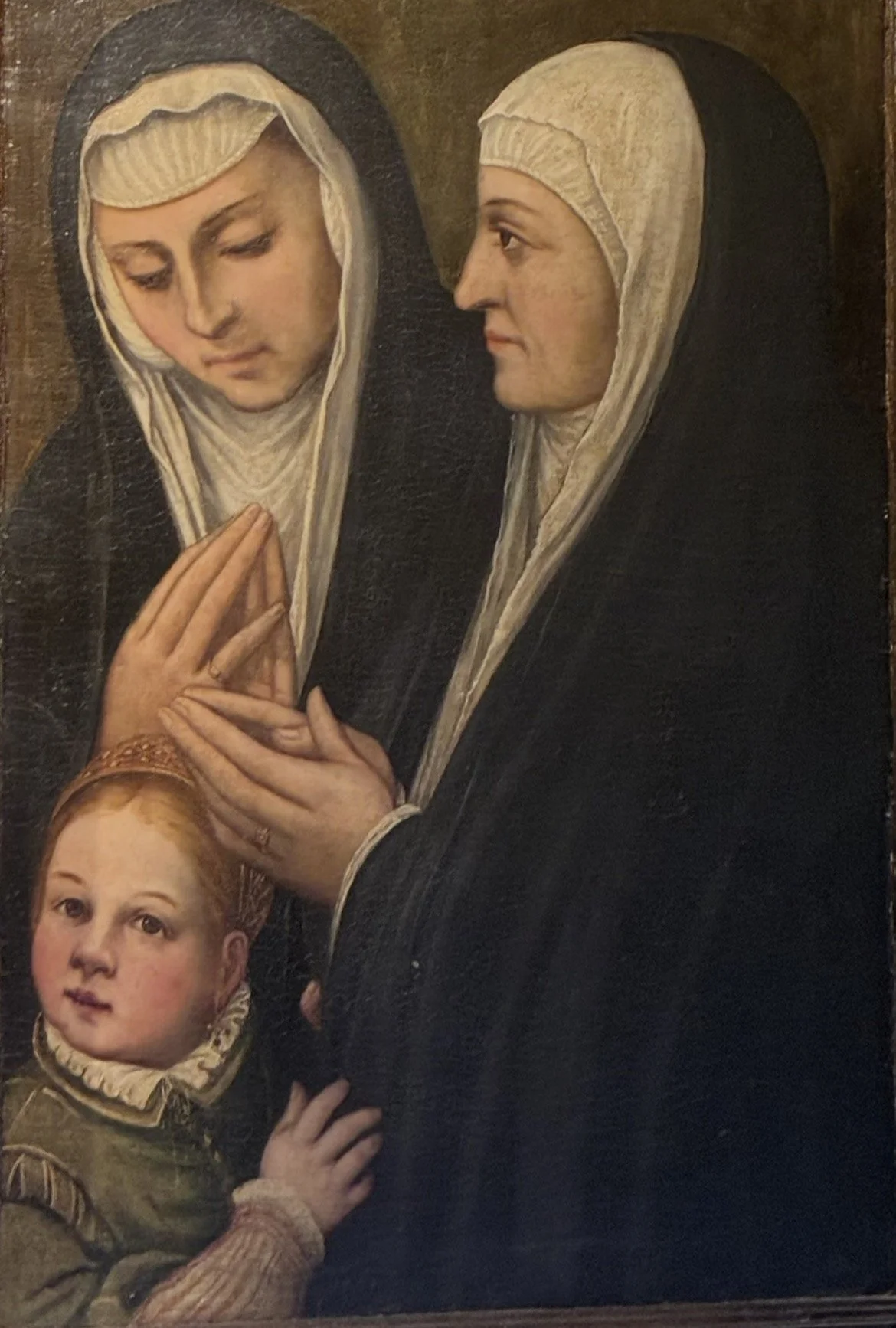
Family of Diego Caballero
Chapel of the Purificación, Seville Cathedral, 1556 (Pedro de Campaña)
Exhibition
New Christians in the Making of Global Material Culture
This exhibition, developed in collaboration with the Museu Nacional de Arte Antiga, Lisbon, and planned for 2027–28, explores the global role of New Christians in shaping material culture, trade, and patterns of consumption in the early modern world.
Descendants of Jewish communities forced to convert in Spain and Portugal between 1391 and 1498, New Christians formed a powerful yet persecuted minority. Operating across Europe, Africa, Asia, and the Americas, they became key intercontinental traders, specialising in rare and exotic commodities and driving the circulation of goods across continents.
Through objects, networks, and environments, the exhibition traces how knowledge of materials—how they were sourced, valued, and exchanged—shaping new forms of consumption. We also explore the complex condition of New Christians, who lived between Christianity and Judaism, navigating exclusion, opportunity, and mobility.
Indeed this exhibition will explore connection, emotions and belonging - what did it feel like to be strangers within a society and how can that relate to people’s experiences now? What would you take with you if you had to leave your home; what does it mean to live with diginity and strength in the face of disposession, diaspora and tragedy, and what agency did the objects traded have themselves?
Using object handling, immersive sensory and olefactory experiences and the work of contemporary artists in dialogue with our exhibits we seek to foster cultural exchange and reflections on migration, climate change and ethnic discrimination both today and in the past.
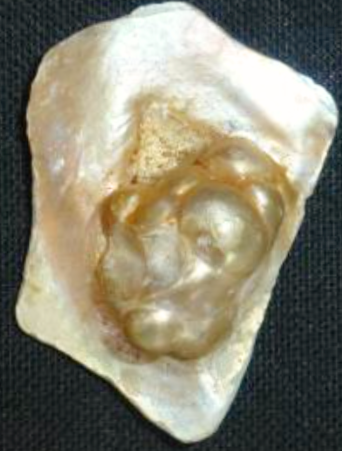
Baroque pearl
Early modern trade object
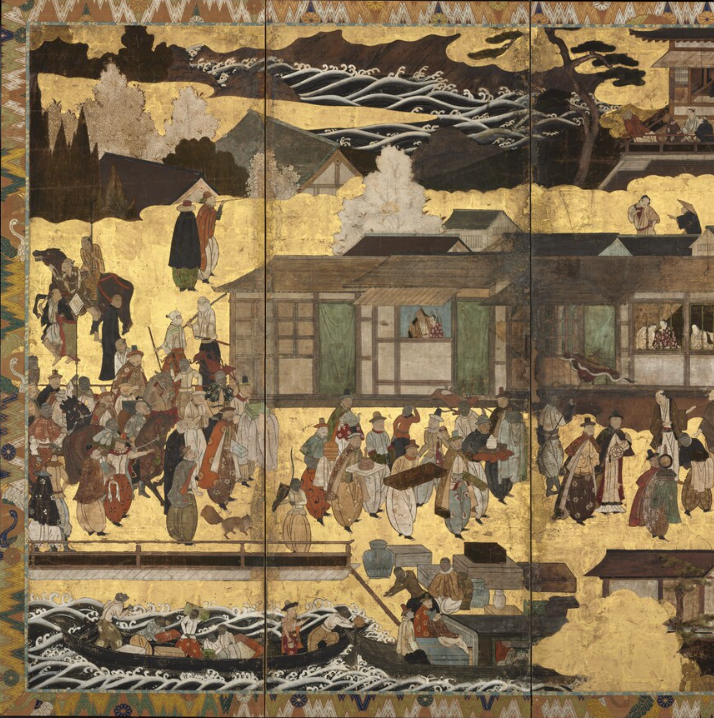
Japan, Momoyama period - Arrival of the "Southern Barbarians" Namban Screen
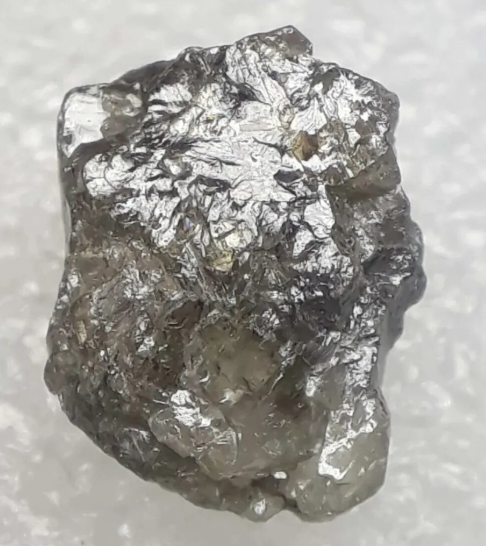
Rough diamond
Uncut stone circulating in early modern global markets